How the Advent of Office Automation is Reshaping Business: The 1970s Revolution

· 4 min read
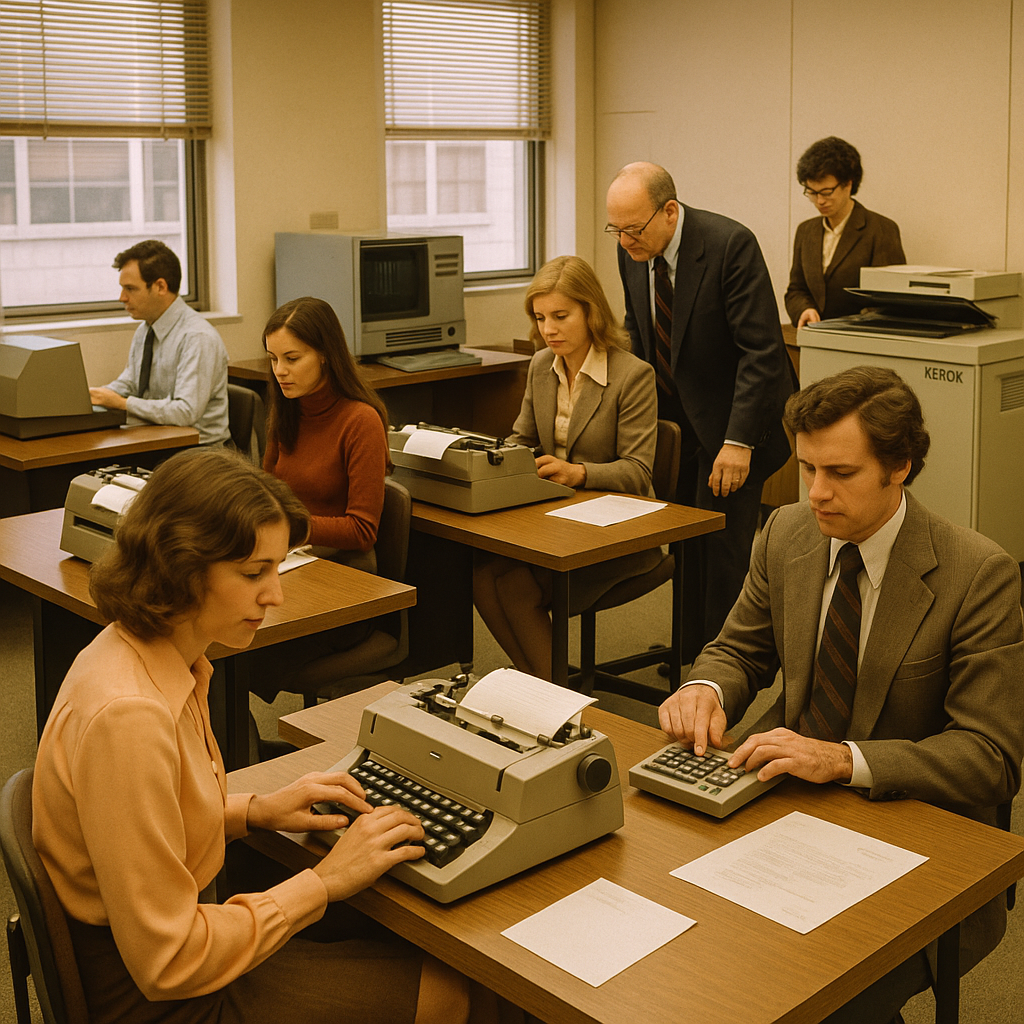
1970s office workers using early automation equipment: typewriters, calculators, mainframe terminals.

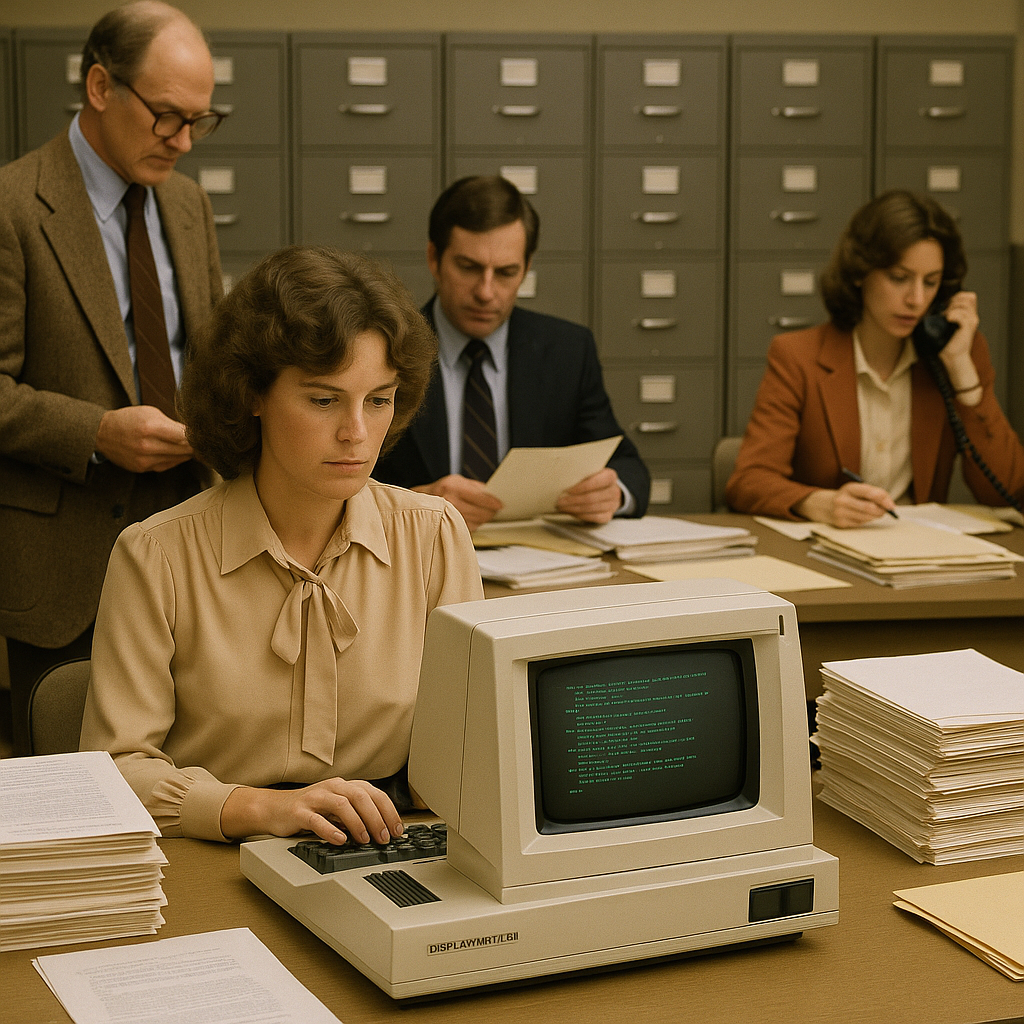
Business in the 1970s is riding a transformative wave: the rise of office automation. With technology like electronic calculators, typewriters, dictation machines, and early computer terminals entering the corporate landscape, organizations are rethinking how work gets done. This emerging trend is rapidly altering traditional business processes—and laying the groundwork for the information age.

Digital Equipment Corporation: Pioneering Mini Computers

· 4 min read
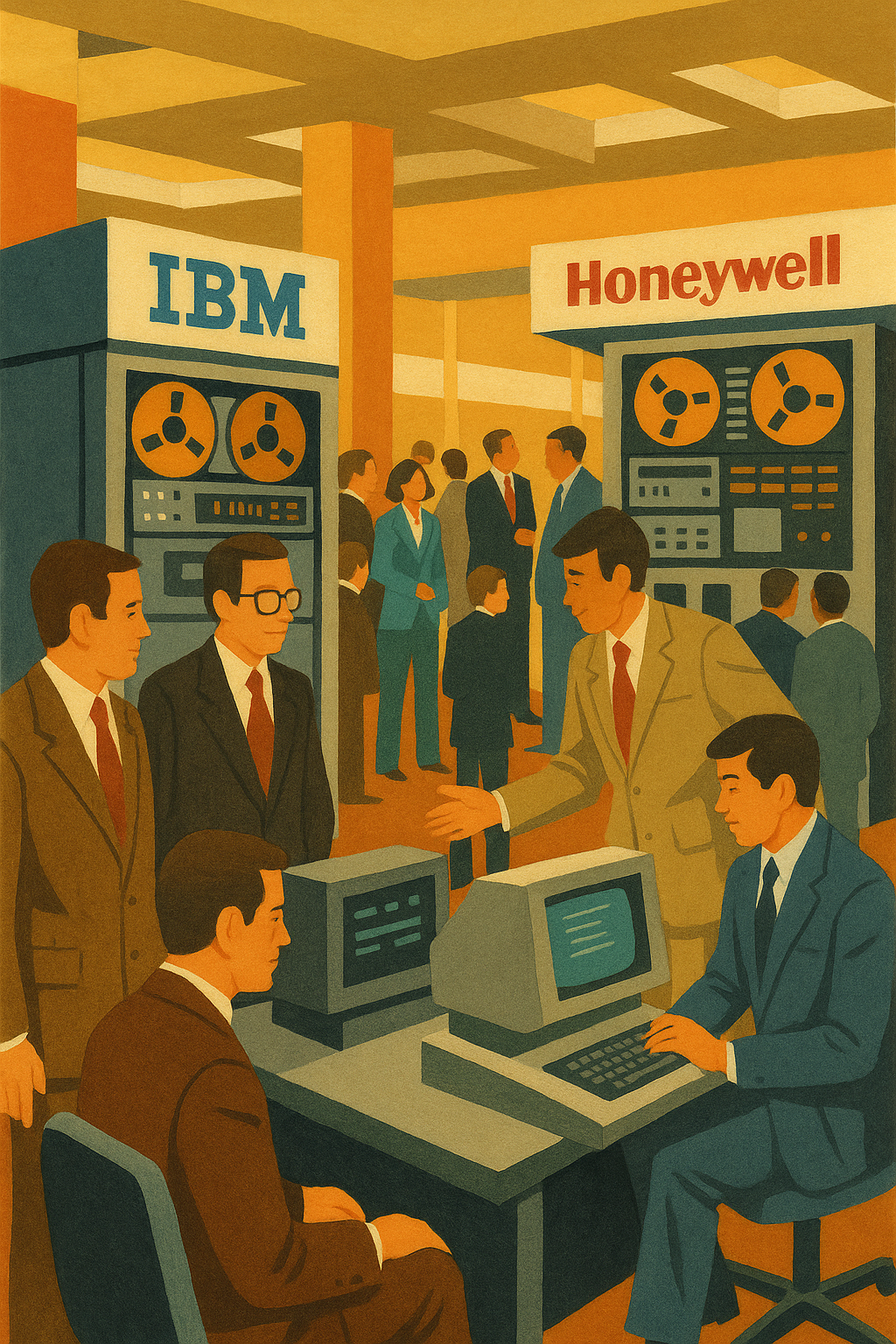
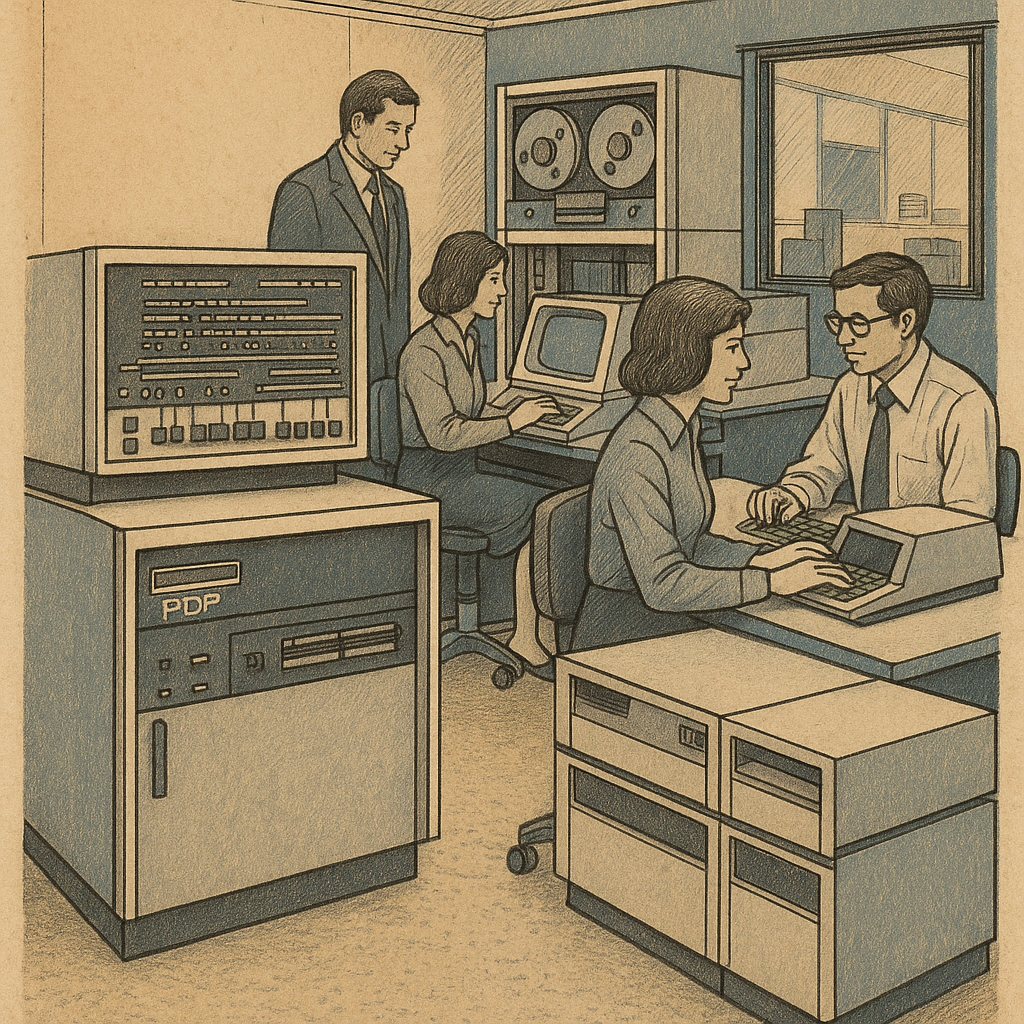
A vintage technical illustration of a Digital Equipment Corporation PDP minicomputer in an office setting, circa 1975. Shows the computer console, data storage units, and operators. Muted earth tones with industrial blues. Professional and efficient atmosphere.

In the rapidly evolving world of business technology during the mid-1970s, one company stood out for its groundbreaking contributions to computing: Digital Equipment Corporation (DEC). Known for their innovative line of minicomputers, particularly the PDP series, DEC offered businesses a compelling alternative to the large and costly mainframe systems that dominated the market. The introduction of these more compact and economically viable machines marked a pivotal shift in how companies approached automation and data processing.

How Early Office Automation is Transforming Business Efficiency

· 3 min read
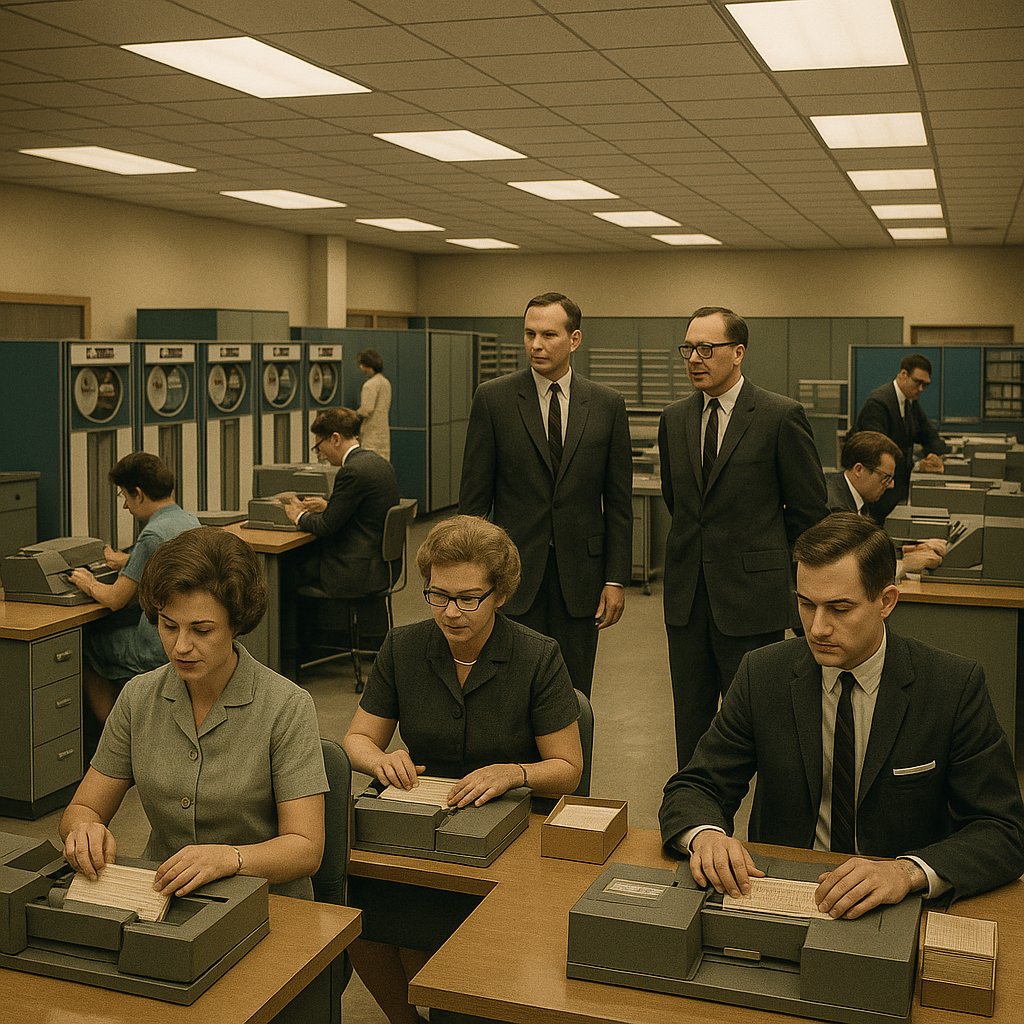
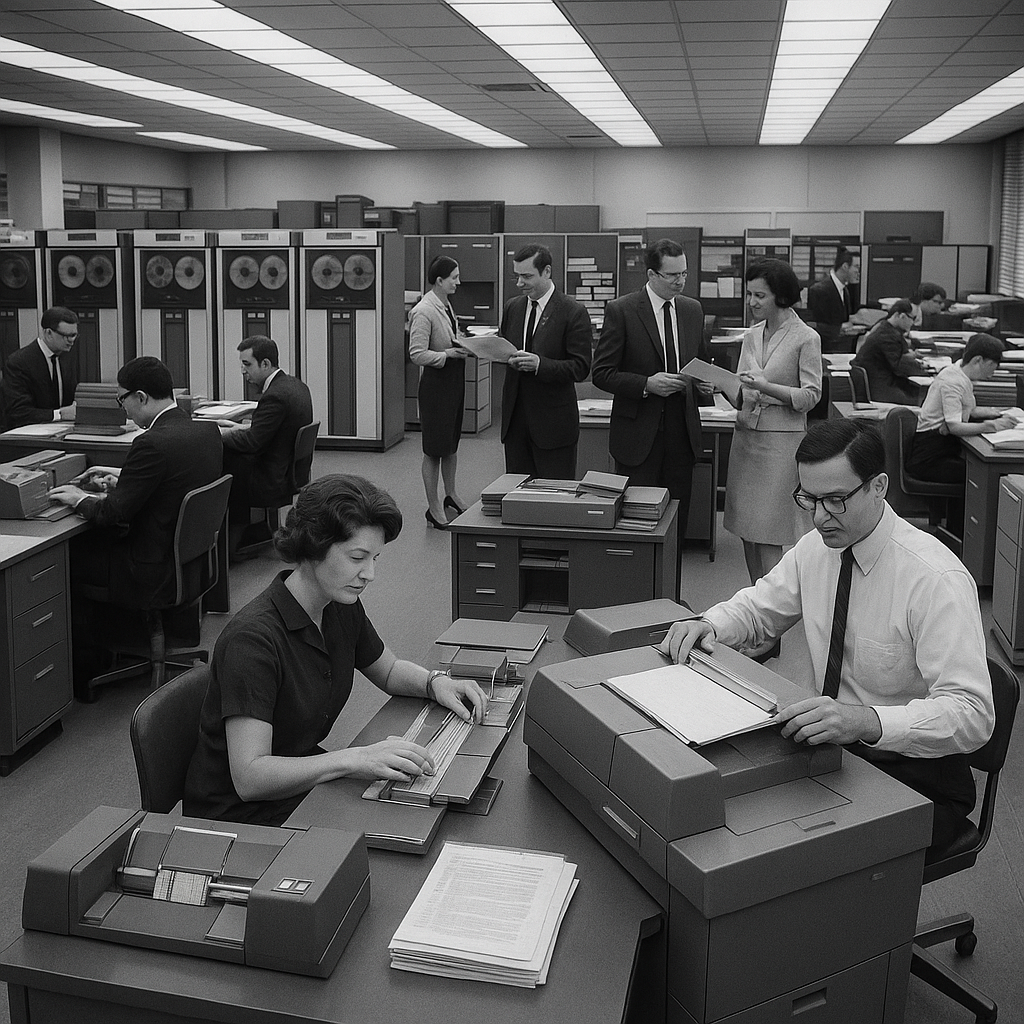
1960s office with mainframe computer and punch card machines

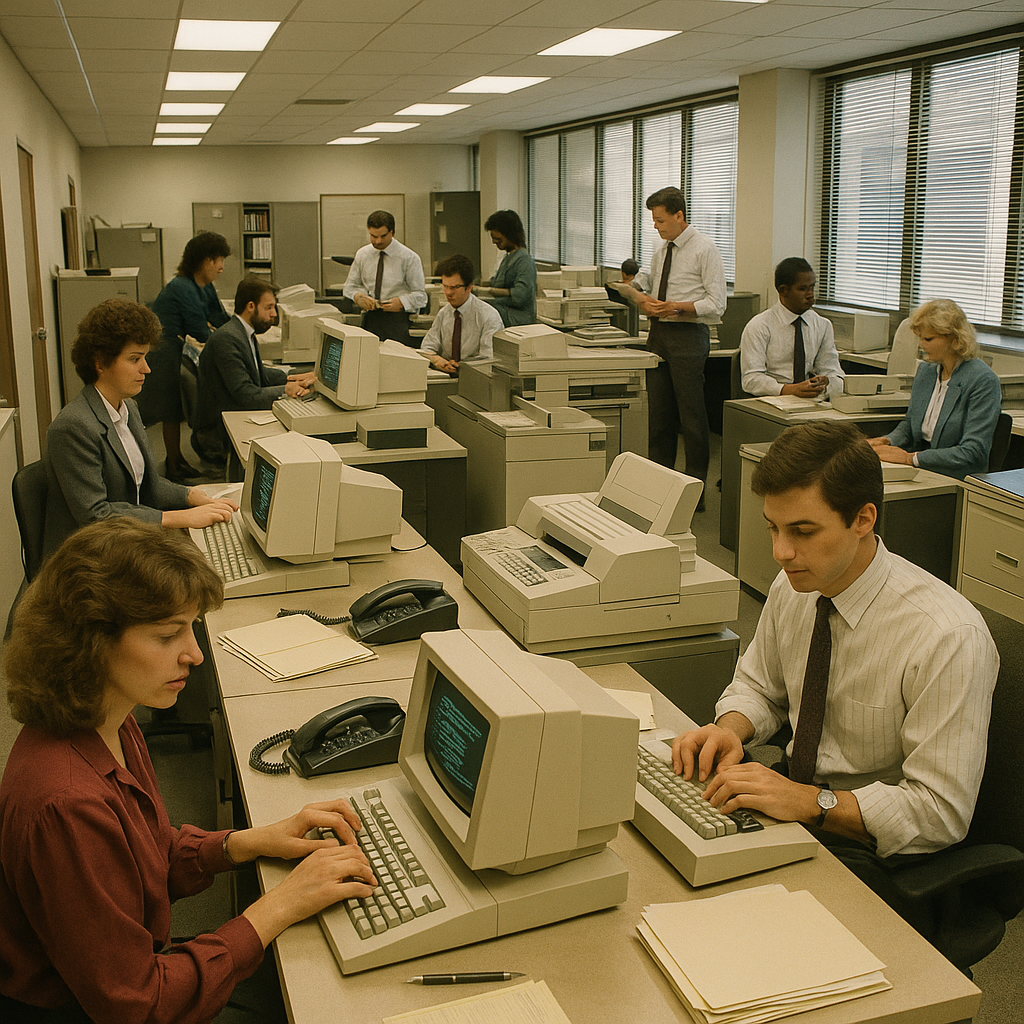
The 1960s are witnessing a quiet revolution inside America’s most ambitious offices and enterprises. No longer the sole domain of file clerks or human calculators, business processes are turning over new duties to automated machines. With the dawn of electronic computers and automated office equipment, forward-thinking leaders are rapidly reimagining productivity.